
Coswick is fully committed to creating hardwood floors of top quality, durability, and long-lasting performance. The company permanently invests in research and development of cutting-edge technology to maintain the highest level of product quality. Coswick’s mission is to extend the area of application of wooden flooring by making it more comfortable, durable, climate-tolerant and easy-to-maintain.
Coswick continuously works on widening a range of design solutions, whether by responding to the latest trends, creating our own, or adding new twists to classic designs. Coswick includes a multitude of hardwood floor and wood wall coverings available in a wide range of designer colors, constructions, and styles. Coswick has the solution for the most complex design project, and the possibility to implement any designer idea.
Coswick manufactures only environmentally friendly products using natural wood, formaldehyde-free glues and eco-friendly UV-cured and Hardwax oiled coatings for production of the all solid and engineered hardwood floors and wood wall coverings. The preservation of our environment and the responsible use of available natural resources are among core values at Coswick.
Technologies
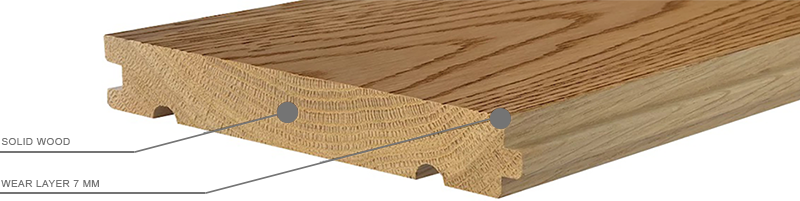
Coswick is fully committed to creating hardwood floors of top quality, durability and long lasting performance. The company permanently invests in research and development of cutting-edge technology to maintain the highest level of product quality.The main features of the Coswick Hardwood Flooring are as follows:
Manufactured of solid hardwood, flooring planks are sensitive to humidity and as a result, seasonal fluctuations in plank size are possible. After installation during dry winters, small gaps may appear between the planks but will close during humid summer. In order to prevent the seasonal gaps, it is recommended to maintain relative indoor humidity levels at 45-55% throughout the year.
Solid hardwood flooring can be installed on or above ground level, by glue down or staple down to a wooden subfloor. For glue down installation of long and wide planks, it is recommended to use staples or nails for pulling and securing planks to the subfloor and one to another.
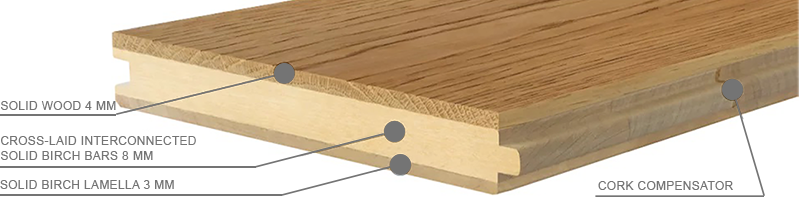
Base and middle core for 3-layer flooring is made of birch. The hardness of birch is close to the top layer made of oak, ash, or American walnut and the thickness base layer. That provides the perfect symmetry and balance and eliminates any chance of cupping and warping in case of temperature or humidity fluctuations. The main features of the Coswick 3-Layer T&G Engineered Flooring are as follows:
3-layer engineered tongue-groove flooring can be installed below, on or above ground. Can be installed on heated floors. The flooring can be glued down over concrete, plywood or wooden subfloor or nail down over wooden subfloor.
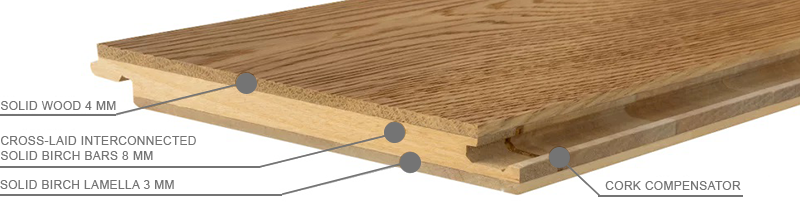
Coswick 3-layer flooring uses innovative Valinge 5G click system CosLoc. Middle core is made of birch, and all layers assembled together without gaps so there is no splits and chips on the click surface. Birch is hard enough to withstand to any chance of deformation of the click surface during installation and latest exploitation. It ensures a very tight and reliable connection and eliminates unwanted plank movement or squeaking during exploitation. The main features of the 3-Layer Single Strip Flooring CosLoc 5G are as follows:
3-layer single strip flooring can be installed below, on or above ground. It can be used for heated floors. 3-layer single strip CosLoc flooring can be installed by floating way on underlayment or by gluing down over concrete, plywood or wooden subfloor. Strips are locked from four sides by CosLoc. If necessary, the flooring can be installed in another room.
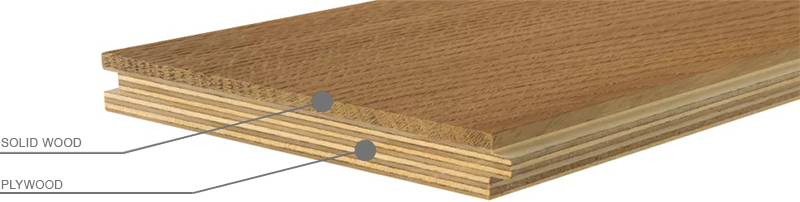
Coswick is fully committed to creating hardwood floors of top quality, durability, and long-lasting performance. The company permanently invests in research and development of cutting-edge technology to maintain the highest level of product quality. The main features of the Coswick 2-Layer T&G Engineered Flooring are as follows:
Recommended for installation below, on or above ground. Can be installed on heated floors. Glue down over concrete with soundproof underlayment or wooden subfloor or nail down over wooden subfloor.
Finishing Systems
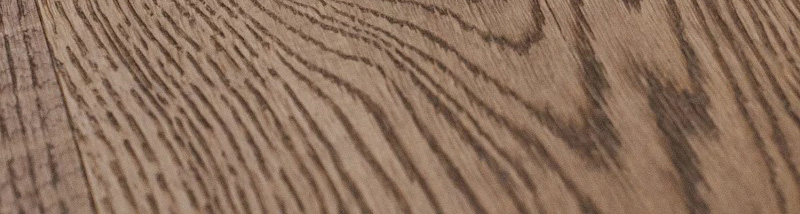
Hardwax Oil is an innovative hardwood flooring finish that consists of 3 layers of wax oil produced from natural components. Among the main ingredients of Hardwax Oil are organic oil, the wax of Carnauba palm tree and other natural components. Hardwax Oil is an oxidative finish and it dries out on open air. In Hardwax Oil finish, oil easily penetrates into wood pores, deeply saturating the wood, strengthening and protecting it from ill effects of moisture, dirt etc. Waxes create a hard protective film on the wood surface. Aside from moisture defense, they protect the floor surface from wearing. Hardwood floors with Hardwax Oil finish easily absorb moisture and release it back into the air, thus helping to ensure a healthy atmosphere in the room. Along with wire brushing technique, Hardwax Oil finish emphasizes natural texture and beauty of oak. Pores appear “open”, visually preserving the depth of texture and relief. Floor surface is warm and pleasant to touch, like that of natural untreated wood. Deep saturation in natural oil and surface wax film are the two features of Hardwax Oil finish.
Hardwax Oil finish has a soft matte sheen, much like that of natural wood. Following finish renewal or re-waxing of the floor, the sheen level temporarily increases but returns to normal within a few days. A surface film that consists of hard wax of Carnauba palm tree gives the finish its high wear resistance – much higher than that of traditional oiled floors. In areas that receive most traffic, Hard Wax finish should be periodically rebuilt. Coswick Hardwax Oil restorative cleaner contains up to 10% wax, and, in addition to cleaning the floor surface, ensures renewal of worn-down layers of Hardwax Oil.
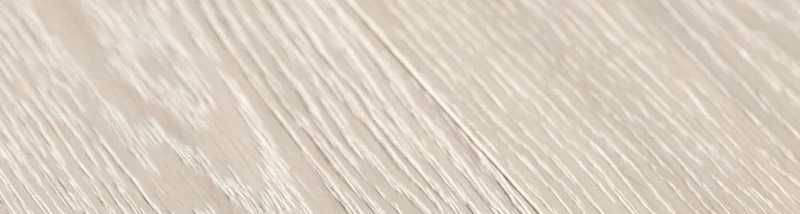
Silk Oil consists of 4 layers of UV-cured modified organic oil-acrylates. Silk Oil easily penetrates into the surface pores of the wood, where it polymerizes under UV light. In appearance, this type of hardwood flooring finish is similar to Hardwax Oil but is distinguished by higher wear resistance. Like Hardwax Oil, Silk Oil finish is used in conjunction with wire brushing technology. However, the protective elastic surface film formed by Silk Oil finish is thicker, which creates a visual effect of semi-sealed pores. This emphasizes the deep texture, relief, and beauty of natural wood. A surface of hardwood floors coated with Silk Oil is pleasant and warm, like that of natural wood. Silk Oil finish has a silky-matte surface gloss. Sheen level stays the same throughout the lifetime of the floor.
Due to UV-curing technology, Silk Oil finish has higher wear-resistance than hardwood floors, coated with Hardwax Oil. However, wear resistance of Silk Oil is still lower than that of UV-cured lacquer finishes. In areas where traffic is most intense, it is recommended to periodically apply Coswick restorative cleaners for oiled floors. Such floor cleaners consist of up to 10% wax, and, in addition to cleaning the floor surface from dirt, they renew worn-down finish.
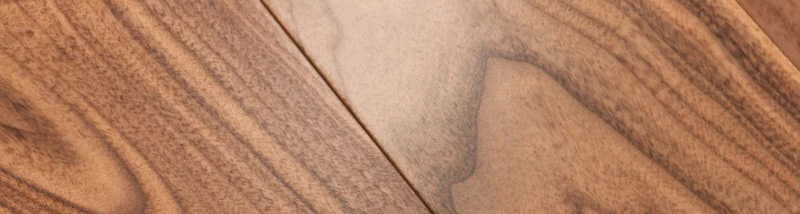
Lacquer CosNanoTechPlus is an innovative hardwood flooring finish composed from UV-cured polyurethane acrylates. This finish was developed by Coswick and comes under CosNanoTechPlus trademark. Multi-layer CosNanoTechPlus flooring finish consists of four types of sealers and lacquers that ensure high adhesion to wood, complete closure of pores, perfectly flat surface, and a durable surface film. Polyurethane-acrylic polymers with cross-links used for CosNanoTechPlus finish ensure superb durability while preserving high elasticity of the finish. Specially configured microparticles of corundum (artificial diamond) further strengthen the entire finish. Innovative CosNanoTechPlus lacquer finishing technology creates a perfectly flat flooring surface with fully sealed wood pores. Smooth surface and transparency of the lacquer finish intensify the visual depth of the floor. Special wood staining technology emphasizes the natural contrast and uniqueness texture of authentic wood.
Coswick CosNanoTechPlus lacquer finish is available in two types of surface gloss – semigloss and matte. Level of surface gloss does not change over time. Compared to other hardwood flooring finishes, CosNanoTechPlus lacquer is characterized by superior wear resistance, achieved by using polyurethane-acrylic UV-cured polymers with microparticles of corundum. This allows extending the lifetime of the floor indefinitely even in extreme conditions.
Wood Species
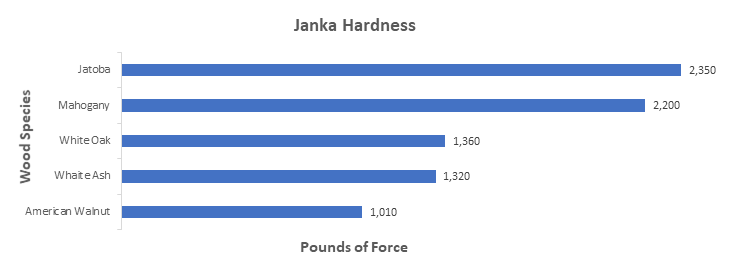
In woodworking and hardwood flooring manufacturing, different wood species are compared to one another using the Janka method. Janka is a test which measures (in pounds) the force required to drive a metal ball (11.28 mm in diameter) into the wood to the depth of ½ the ball’s diameter. The hardness of a given wood species is directly proportional to its Janka value – the higher the value, the higher the wood hardness. Janka hardness test is calculated as an average between plain sawn and quarter sawed cuts and is meant to inform about structural properties of a given wood species, its resistance and durability.
The diagram above shows how wood species used to manufacture Coswick flooring compare against one another according to Janka scale.
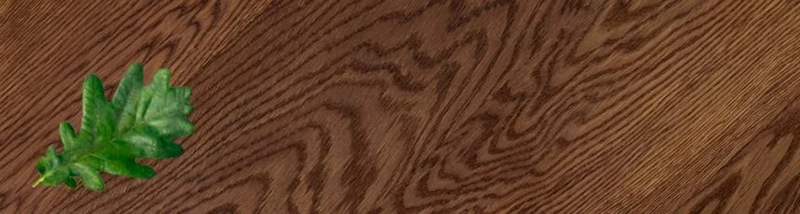
European Oak (Quercus Robur) grows in all of Europe and North Caucasus. Heartwood of oak is light brown, sapwood is white to creamy white. Oak has open grain with rays, occasional swirls, and burls. Plain sawn oak boards have a flared grain appearance, while quarter sawn oak has a flake pattern (sometimes called tiger rays). Quartersawn oak has excellent dimensional stability. Oak is very strong and durable, measuring 1360 on the Janka scale. Tannic acid in the wood protects it from insects and fungal attacks.
Oak has always been a very popular choice for hardwood flooring. Today, oak flooring is available in nearly all types, styles and sizes. Wide, quarter-sawn boards of white oak have been extremely prized since the Middle Ages, when oak was used in designing the interior of prestigious buildings, flooring and fine furniture. As a symbol of elegance, strength, and endurance, oak has been chosen as a national tree of many countries.
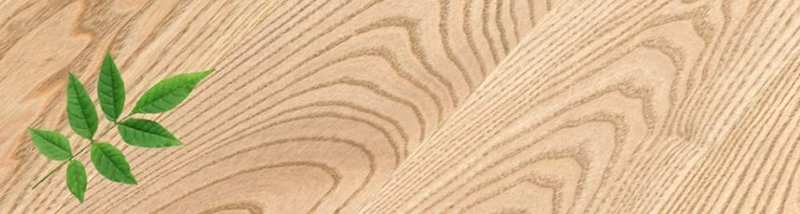
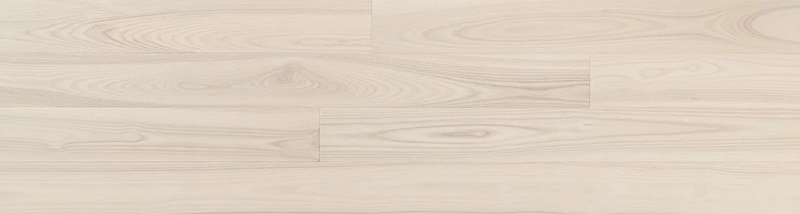
European Ash (Fraxinus Excelsior) grows in mainland of Europe and east to the Caucasus. Ash is a strong and very hard-wearing wood (it measures 1320 on the Janka scale). Ash is similar in appearance to oak but is frequently more yellow lighter. Heartwood color varies from light tan to dark brown, while the sapwood is creamy white. Ash is distinguished by straight, coarse and moderately open grain that has some occasional wavy figuring. Ash is a hard, elastic wood with excellent shock resistance properties.
Because of its resilience and rapid growth, ash has historically been one of the most versatile woods with far-ranging uses. Until World War II, ash trees were widely used for building and woodworking. In Scandinavian mythology, ash appears as the holy World Tree, Yggdrasil. It is said that its roots are anchored in the abyss of the underworld and watered by the streams of wisdom and faith. The trunk of the sacred ash is said to be supported by the earth while its crown touches the arc of heaven.
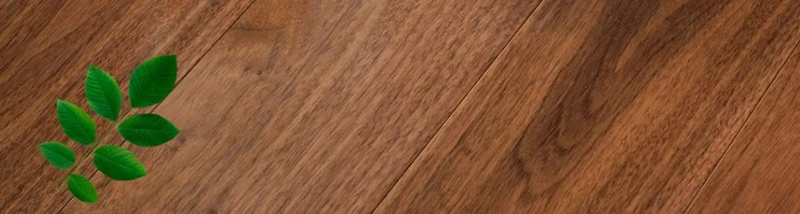
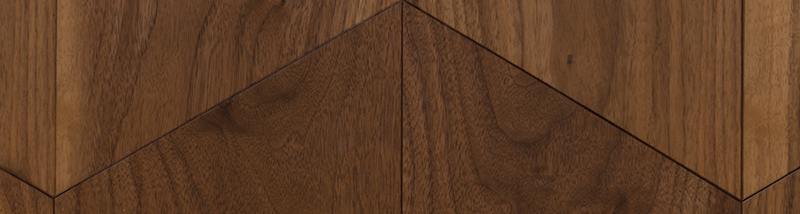
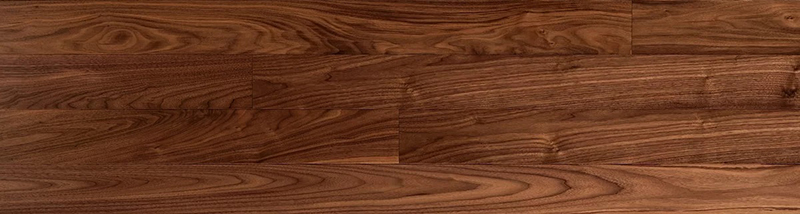
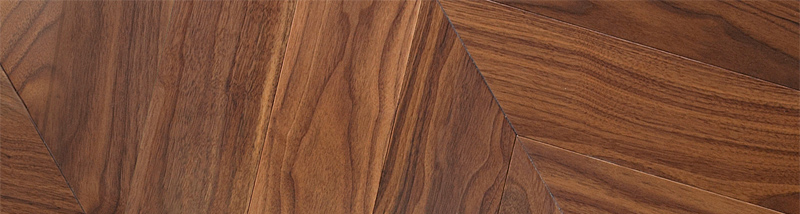
Black walnut (Juglans Nigra) – grows only in central parts of North America. American Walnut is known for the pronounced color difference between its sapwood and heartwood. While heartwood ranges from a deep, rich dark brown to a purplish black, sapwood is nearly white to tan. American walnut has mostly straight and open grain, although the grain can be curly or burled on some boards. Prominent color contrast and variation is what distinguishes American walnut hardwood from other species’ and gives it sought after exotic appearance and charm. Unlike most other wood species, American walnut tends to lighten over time.
Although softer than oak (1010 on the Janka scale), American walnut is a strong wood with excellent shock resistance properties. Throughout history, American walnut has been a popular choice for manufacturing gunstocks, paddles, furniture, and flooring.
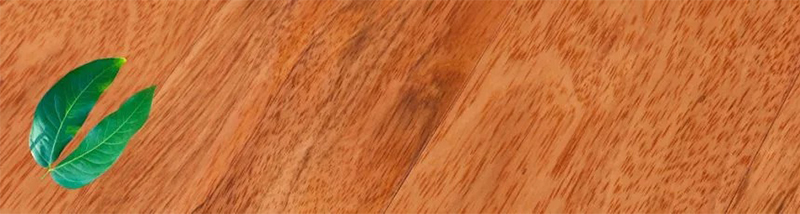
Jatoba (Hymenaea Courbaril), better known as Brazilian Cherry, grows in Central and South America (Brazil, Venezuela, Colombia, Peru, Surinam, Guiana, French Guiana). Its heartwood is salmon red to orange-brown when fresh, but becomes reddish-brown over time. Sapwood is gray-white. Jatoba grain texture is medium to coarse, its grain is mostly interlocked. There is gentle to moderate color variation within the species and occasional dark accent stripes are visible on the wood boards. Gradual color variation in jatoba hardwood translates into truly unique flooring.
Jatoba is very durable and dense. It is one of the hardest wood species. Measuring 2350 on the Janka scale, it is nearly twice as hard as oak. Jatoba wood darkens when exposed to intense sunlight.
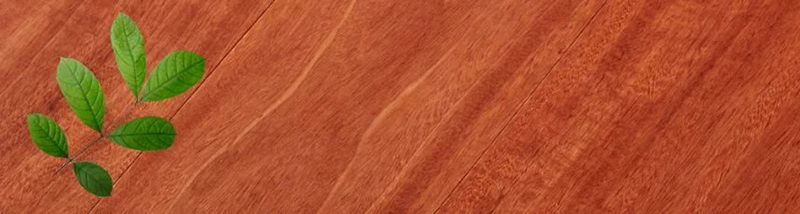
Santos Mahogany (Myroxylon Balsamum) grows in tropical forests of Central and South America (Mexico, Argentina, Brazil, Colombia, Peru). Santos Mahogany is one of the most sought-after exotic wood species. It is distinguished by rich reddish-brown color and very fine and even grain texture. Color and grain variations within the species and grades are light to moderate. Grain texture is light and wavy. Much like other tropical wood species, the color of Santos Mahogany wood planks deepens and darkens over time.
The wood of Santos Mahogany is very hard and resistant to moisture and temperature fluctuations. Santos Mahogany that originates from South America is stronger, more durable and more color-fast than its Northern counterpart. Measuring 2200 on the Janka scale, Santos Mahogany is one of the hardest wood species used in flooring. Manufacture of furniture, decorative veneers used for finishing interiors, floor coverings, various kinds of woodwork, as well as in railway systems.
Thermo-modified Oak allows improving several key characteristics of natural oak, including moisture resistance, biological stability, and ability to preserve geometric dimensions. The thermal modification does reduce mechanical characteristics of oak but transforms wood color throughout to a rich deep brown.
Benefits of Thermo-modified Oak:
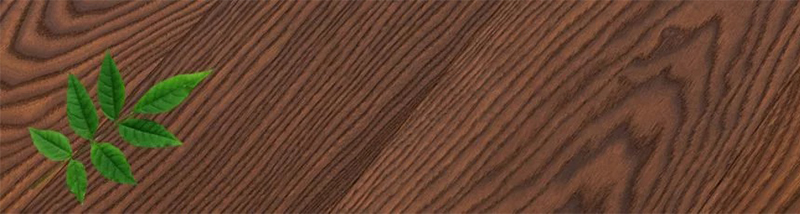
Thermo-modified Ash allows improving several key characteristics of natural ash, including moisture resistance, biological stability, and ability to preserve geometric dimensions. The thermal modification does reduce mechanical characteristics of ash but transforms wood color throughout to a rich, reddish brown.
Benefits of Thermo-Ash:
Grades
European Oak, Europen Ash, American Walnut, Jatoba
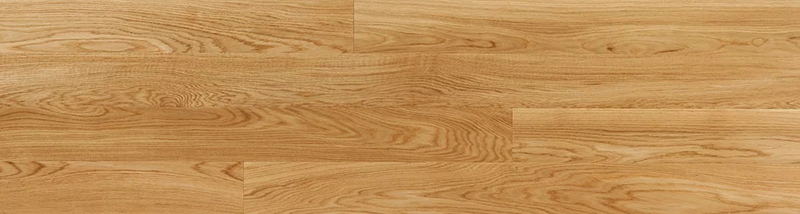
“Select and Better” is the highest grade of hardwood. It has uniform grain texture, mild color variations are produced by differences in natural heartwood and sapwood. The face may contain unlimited sound sapwood and occasional small burls. Light brown streaks may not extend over the entire length of the piece. Occasional non-contrasting restored knots (10mm or smaller) are admitted on planks stained in dark colors as long as they do not stand out against the floor surface.
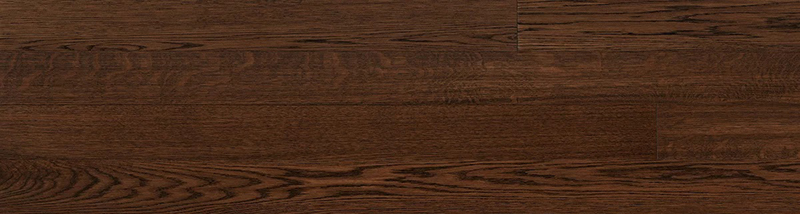
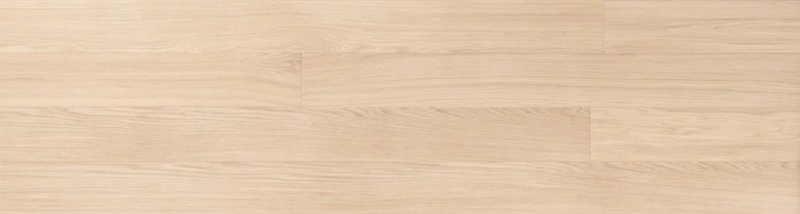
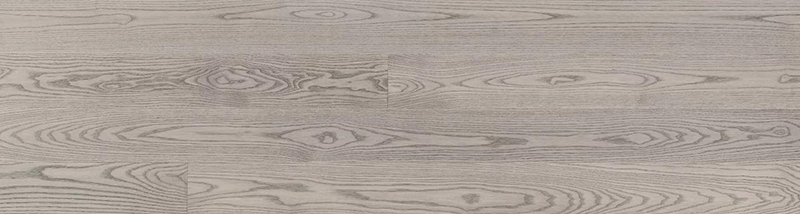
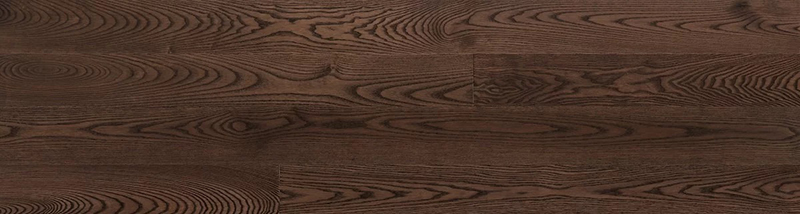
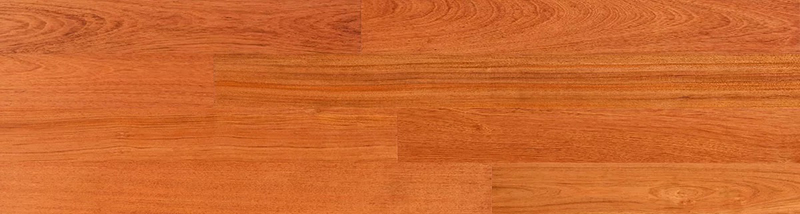
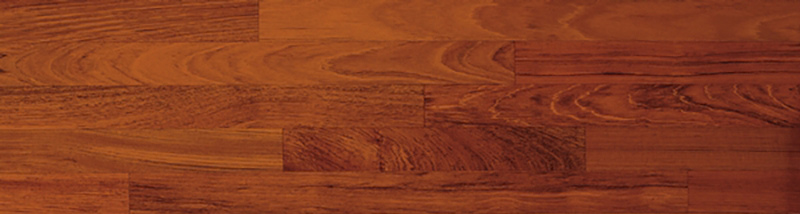
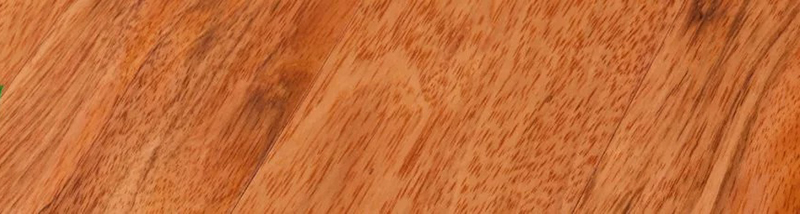
European Oak, Europen Ash
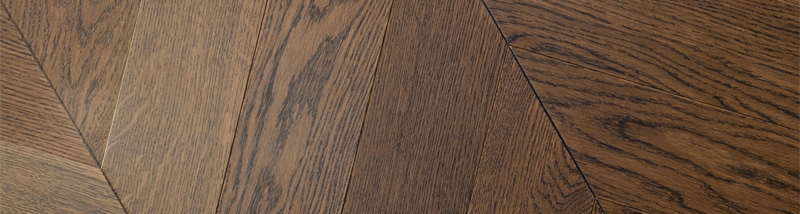
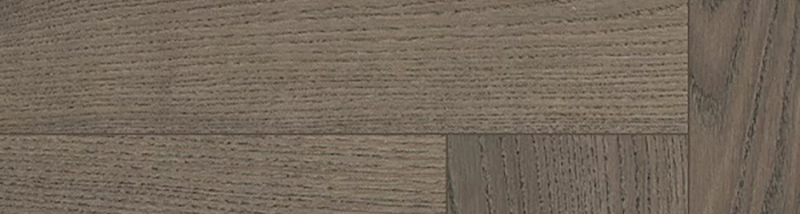
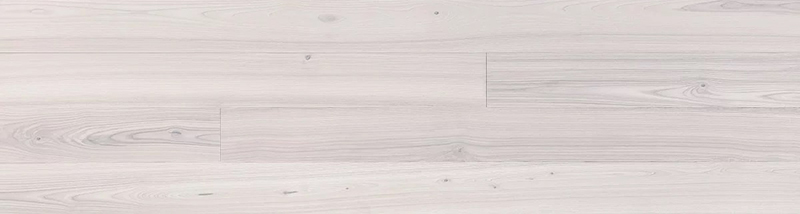
The face of a plank may contain unlimited sound sapwood. Color variation is prominent. Small burls, light brown streaks, restored knots up to 25mm, properly filled open checks and wormholes, slight imperfections in face work (torn grain) and burns are admitted. When stained in a dark color, the surface appears uniform in shade and texture, making knots, etc. barely discernible. “1 Common” is a tasteful floor where prominent variation is expected.
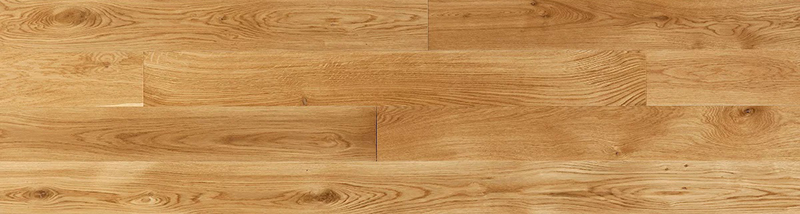

European Oak
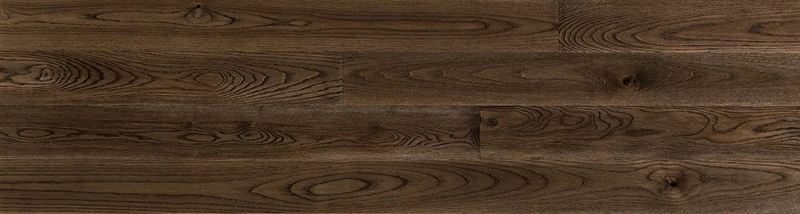
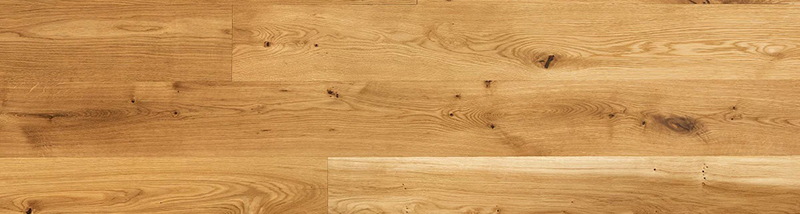
The face of a plank may contain prominent color variation, unlimited burls, brown streaks, tight knots, and properly filled open knots, as well as wormholes. Imperfections in the face work (torn grain) and burns are admitted. Knots and other imperfections are intentionally highlighted in order to bring attention to the natural beauty and uniqueness of oak grain texture.
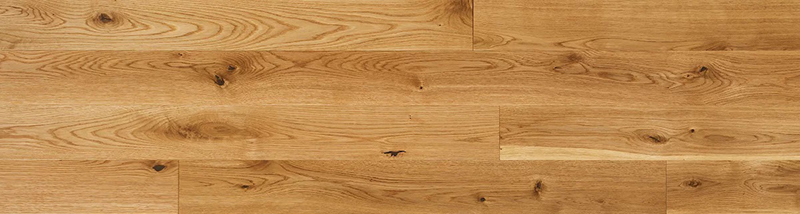
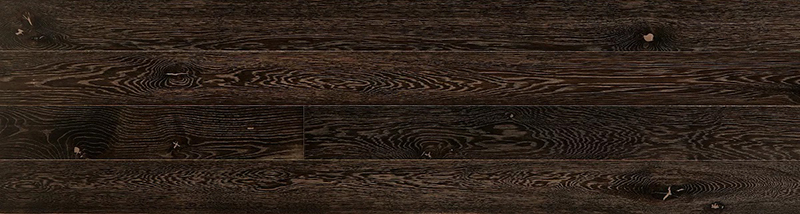
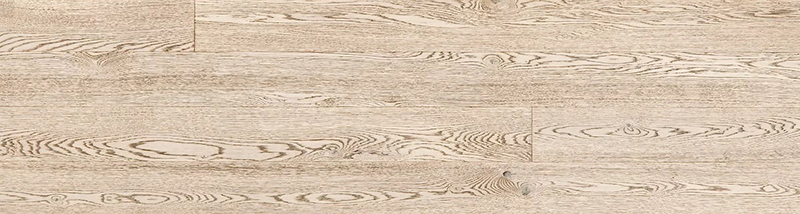
European Oak
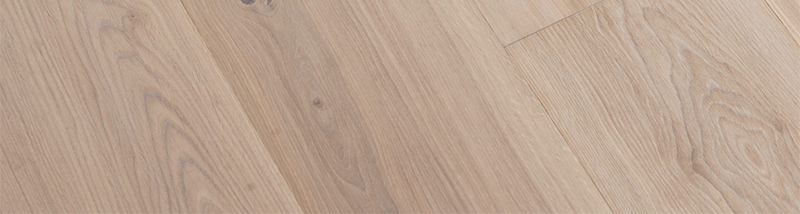
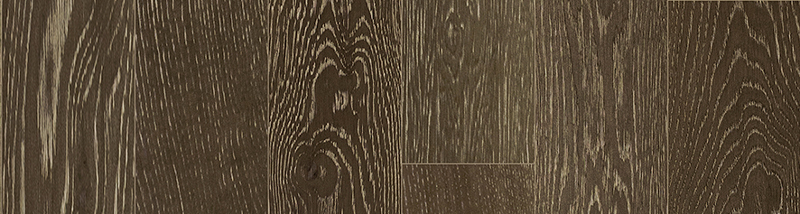
The face of a plank may contain prominent color variation, unlimited burls, brown streaks, open or filled knots of any size, and wormholes. Open splits and knots create an effect of antique wood and emphasize authentic oak texture. “Character” grade is used to classify wide plank fixed length flooring 7½ X 7 inches (190 X 2100 mm) – due to the larger surface area, a face of plank may contain a wide range and number of burls, streaks, knots, wormholes, etc.
American Walnut
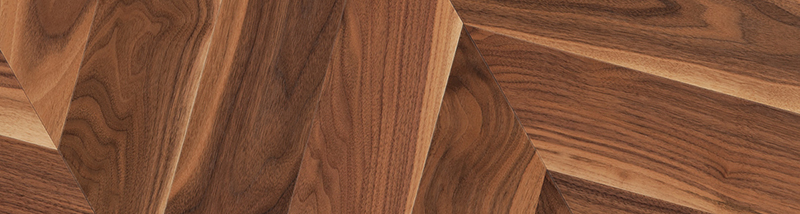
The face of a plank may contain unlimited sound sapwood. Small burls, light brown streaks, restored knots up to 20 mm, and other insignificant defects. Surface color variation is very prominent. Knots are barely discernible. Traditional is a tasteful flooring grade where prominent variation is expected.

American Walnut
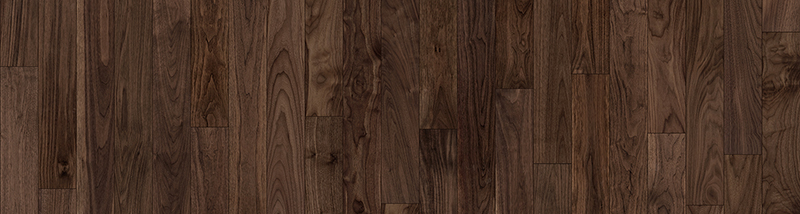
The face of a plank may contain unlimited color variation, small burls, light brown streaks, restored knots (up to 20mm), and other insignificant defects. When stained, surface has a very homogenous color tone and texture; knots etc are barely discernible.
Certificates
Certificate ISO 9001 of the Quality Management

Certification of the quality system is an independent audit of the quality management system of an enterprise by a third-party (certification body) and an issue of a certificate of conformity following the positive results of such an audit. Coswick successfully passed the certification of an implemented quality management system of the enterprise on correspondence to СТB ISO 9001-2009 standard requirements.
Certificate of conformity on correspondence to ISO 9001 standard requirements is not obligatory for enterprises. However, ISO certification is a sign of estimable quality management and is an insurance of Company’s competitive ability both on local and international markets. ISO certification guarantees a customer the reliability of goods produced by our Company and shows our professional dedication.
Forest Stewardship Council
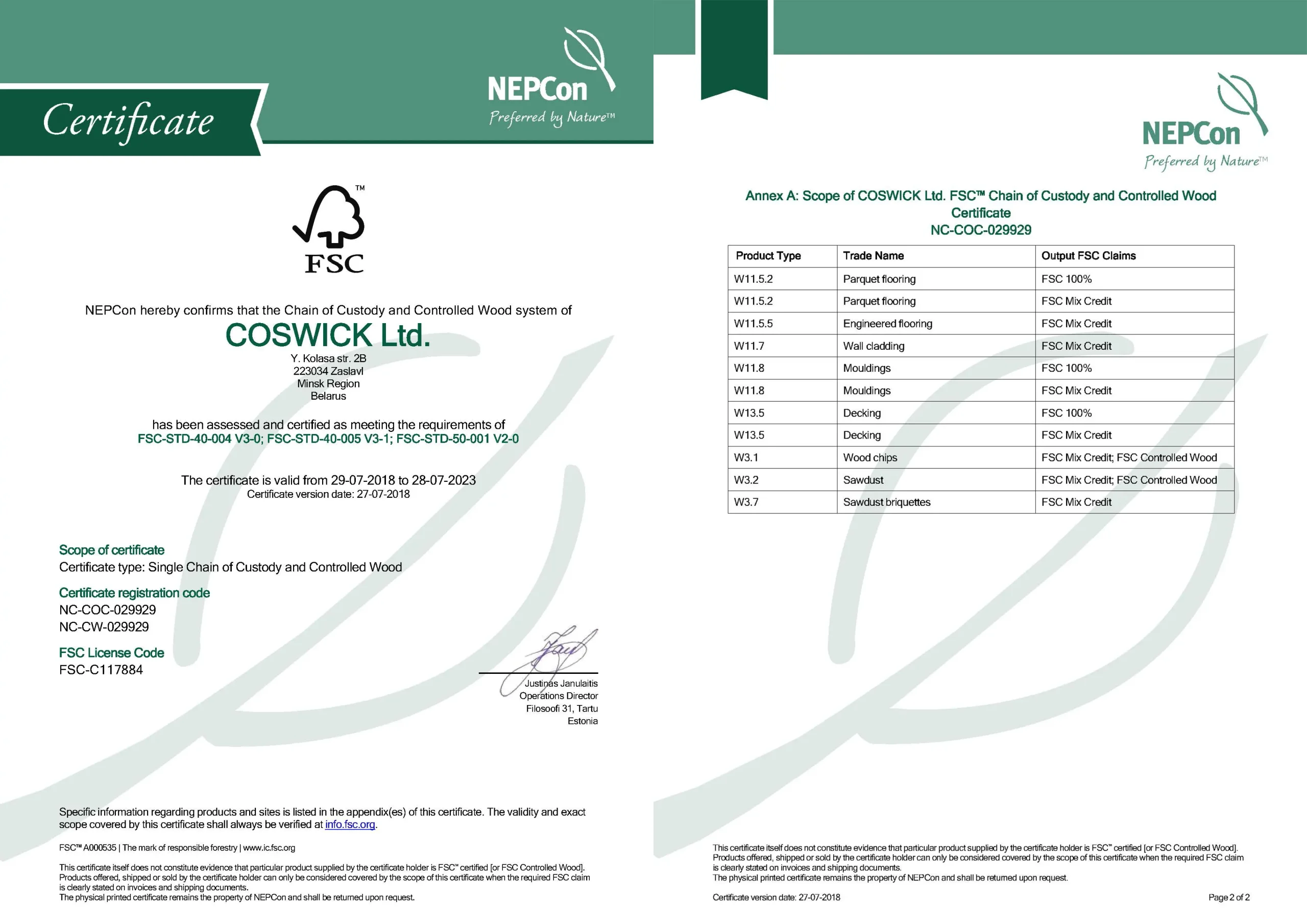
FSC (Forest Stewardship Council® ) (FSC C117884) is an international organization established to promote environmentally appropriate, socially beneficial and economically viable management of the world’s forests. FSC logo on timber or wood products is a mark of that the product comes from the environmentally appropriate and socially beneficial forestry. The main FSC purpose is to help environmentally appropriate, socially beneficial and economically viable forest husbandry and the world’s forests management. Ecologically appropriate forest husbandry stipulates the non-threating timber procurement towards the biodiversity, productivity and ecological functions of the forest.
Coswick successfully got Supply chain certification – СОС certification (СОС – Chain of Custody) to comply with the requirements of FSC-STD-40-004 standard that ensures the customers on the path taken by the products from the forest to the point where the product is sold with an FSC claim and provide a credible assurance that products originate from well-managed forests or controlled sources. Coswick carries out control over the supply of the non-certified products to meet the requirements of FSC-STD-40-005 standard that allows to control the sources of a non-certified timber to avoid the use of the following wood categories like illegal timber, timber that was cut with the infringement of traditional or civil rights, timber that was cut in forests where the environment-oriented values are exposed to a certain danger during the timber exploitation, timber that was cut on sites that were transitioned before to plantations or non-forest areas, timber from forests with genetically modified trees, etc.
U.S. Green Building Council
The U.S. Green Building Council is committed to a sustainable, prosperous future through LEED, the leading program for green buildings and communities worldwide. LEED, or Leadership in Energy and Environmental Design, is the most widely used green building rating system in the world. Available for virtually all building, community, and home project types, LEED provides a framework to create healthy, highly efficient and cost-saving green buildings. LEED certification is a globally recognized symbol of sustainability achievement.
Coswick supports the use of green building methods and energy-efficient design in all projects for new building construction and renovation. Hardwood Coswick floors are manufactured on the basis of designs allowing to maintain these methods and gain LEED points under the USGBC LEED Rating System.
Warranties
Lifetime Warranty

Structural warranty certifies Coswick products to be free from defects in milling, drying, grading and will not delaminate for a lifetime if following all necessary recommendations on transportation, storage, installation and care that were outlined in the section “Hardwood floor care”. Product quality variation that does not exceed 5% is industry standard and is not considered a factory defect.
Because it is a natural product, hardwood flooring will continue to expand and contract through heating and non-heating seasons. Properly installed hardwood floors may consequently experience some separation between the boards at different times during the year. If such separations do occur, they are not covered by this Warranty. It is important to maintain relative indoor humidity as constant as possible (between 45% and 55% for solid hardwood flooring, and 40-65% for multi-layer engineered flooring). Use a humidifier or dehumidifier, as appropriate. The indoor temperature should range between 18 and 22° Celsius.
25 Years and 35 years Warranty


The warranty states that when used under normal residential traffic conditions and maintained following Coswick Floor Maintenance Guide, factory applied lacquer surface finish will not wear through or separate from the wood for a full lifetime period from the date of purchase. CosNanoTechPlus and CosNanoTechPlusMatte finish warranty is 25 years for use in residential spaces. CosNanoTechPlusCom has 35 years commercial finish warranty for use in residential spaces, and 3 years commercial finish warranty for use in public spaces. The installer and, or the homeowner are responsible for final inspection of product quality. Any board that is installed is considered to be accepted by the installer, or owner. Such boards cannot be claimed as manufacturing defects or grading mistakes under this Warranty.
Coswick Trusted Partners
Coswick is proud to have a number of trusted partners. Coswick works with the best in the business.